Health and Safety Policy for Removals Kingston upon Thames
This Health and Safety Policy sets out how Removals Kingston upon Thames manages the safety and wellbeing of employees, contractors, customers and members of the public during all removals, packing, loading, transport and delivery activities. Our aim is to conduct all work in a way that prevents injury, ill health and damage to property or the environment.
This policy applies to all members of staff, whether full time, part time, temporary or agency, and to any third parties working under our control at homes, offices, storage facilities or roadside locations.
Policy Statement and Objectives
Removals Kingston upon Thames is committed to providing and maintaining safe and healthy working conditions, equipment and systems of work. We will identify and control risks associated with manual handling, vehicle operations, working in and around customer premises and any other hazards arising from our business activities.
Our key objectives are to prevent accidents and cases of work-related ill health, to ensure safe handling and transport of goods, to provide effective information, instruction and supervision, and to foster a positive health and safety culture throughout the company.
Management Responsibilities
The company management holds ultimate responsibility for health and safety performance. Management will ensure that appropriate resources, training and supervision are provided so that this policy can be implemented effectively.
Management duties include conducting and reviewing risk assessments, maintaining safe equipment and vehicles, monitoring compliance with safe systems of work, investigating incidents and implementing corrective actions, and keeping this policy under regular review to reflect changes in legislation, guidance or business operations.
Employee Responsibilities
All employees share responsibility for maintaining high standards of health and safety. Every team member must take reasonable care of their own wellbeing and that of colleagues, customers and the public who may be affected by their actions or omissions.
Employees are expected to follow all safe working procedures and training, use equipment correctly, cooperate with management on health and safety matters, report hazards, near misses, accidents and unsafe conditions promptly, and refrain from any behaviour that could endanger themselves or others, including working under the influence of alcohol, drugs or medication that impairs safe working.
Risk Assessment and Safe Systems of Work
We carry out risk assessments for all significant hazards associated with our removals activities, including manual handling of furniture and boxes, use of trolleys, ramps and lifting equipment, loading and unloading of vehicles, vehicle movements in busy areas, working at height on vehicle access points and slips, trips and falls on customer premises.
Findings from these risk assessments are used to develop safe systems of work. These procedures are communicated to staff through training and on-site briefings, and may include limits on item weight, team lifting arrangements, safe vehicle positioning and parking, use of appropriate equipment and protective devices, and restrictions on working in adverse weather or unsafe conditions.
Manual Handling and Use of Equipment
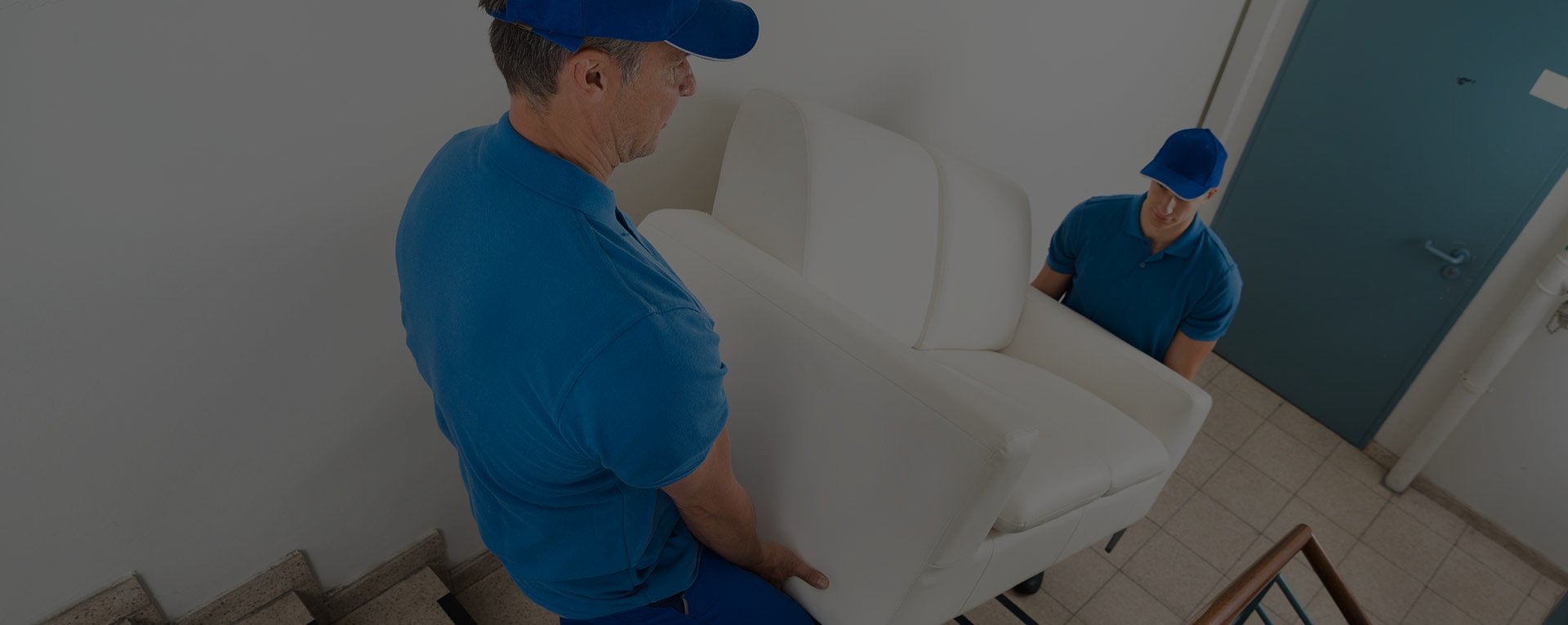
Manual handling is a major part of removals work, and we recognise the potential for strain, sprain and back injuries. We seek to eliminate or reduce manual handling risks wherever reasonably practicable by using handling aids, planning access routes and item positioning, and ensuring sufficient staff are assigned to heavy or awkward items.
All staff receive training in correct lifting and carrying techniques, team handling, use of trolleys and ramps, and recognition of loads that are too heavy or unstable to move safely. Employees must never attempt to lift or move items that exceed their capabilities and are required to request assistance or alternative methods when necessary.
Vehicles, Driving and Road Safety
Our removals vehicles are maintained in a safe and roadworthy condition with regular inspections and servicing. Drivers must hold the appropriate licence, follow road traffic laws and adhere to company rules on driving hours, mobile phone use and safe loading.
Loads must be distributed and secured to prevent movement during transport. Access to vehicle steps, loading platforms and doors must be kept clear and used correctly. Drivers and crew must consider the safety of pedestrians and other road users when positioning vehicles for loading and unloading in residential and commercial streets.
Personal Protective Equipment
Where risks cannot be fully controlled by other means, appropriate personal protective equipment may be provided, such as protective footwear, gloves, high visibility clothing, and any task-specific items required.
Employees must use the equipment provided in accordance with training and report any defects or damage so that items can be repaired or replaced. Personal protective equipment is not a substitute for safe systems of work and must be used alongside other control measures.
Customer and Public Safety
Careful planning of each removal is undertaken to minimise risk to customers and other members of the public. This may include clearly defining work areas, managing access routes, temporarily restricting access to stairs or doorways while large items are moved, and protecting floors and fixtures where necessary.
Customers are requested to follow guidance from the removals team on staying clear of lifting operations and loading areas. Special consideration is given where children, pets or vulnerable persons are present at the property.
Training, Supervision and Communication
We provide initial and ongoing training for all staff relevant to their roles, including health and safety induction, manual handling, safe vehicle loading and unloading, use of equipment and emergency procedures.
Supervisors and team leaders are responsible for monitoring working practices on site, providing guidance and correcting unsafe behaviour. Health and safety information is communicated through briefings, toolbox talks and written procedures, and employees are encouraged to raise concerns or suggestions for improvement.
Accident Reporting and Emergency Procedures
All accidents, near misses and dangerous occurrences must be reported to management as soon as possible. Incidents will be recorded, investigated and reviewed to identify underlying causes and prevent recurrence.
Emergency procedures are in place for fire, serious injury, road traffic incidents and other unexpected events. Staff are trained to respond appropriately, including raising the alarm, contacting emergency services where required, protecting the scene and cooperating with investigations.
Monitoring, Review and Continuous Improvement
Health and safety performance is monitored through workplace inspections, vehicle and equipment checks, review of incident data and staff feedback. Where shortcomings are identified, corrective and preventive actions will be implemented.
This Health and Safety Policy is reviewed regularly and updated when necessary to reflect changes in legislation, best practice or company operations. Our goal is continual improvement in safety standards, ensuring that all removals are carried out efficiently while giving priority to the health and wellbeing of everyone involved.