Health and Safety Policy for Removals Kingston Upon Thames
 Health and safety is central to every successful move, from the first item packed to the final placement at the destination. For a Removals Kingston Upon Thames service, a clear policy helps protect staff, customers, property, and the wider public. It also ensures that each stage of the move is carried out with care, attention, and consistency. This policy sets out the standards expected on every job, whether the work involves a small flat, a family home, or a larger commercial relocation.
The purpose of this policy is to reduce risk and support a safe working environment. Moving furniture, lifting heavy objects, using tools, and loading vehicles all involve hazards that must be managed properly. By following simple but effective controls, a removals team in Kingston Upon Thames can prevent avoidable injuries and minimise damage to belongings and buildings. The approach described here applies to all employees, contractors, and any person assisting with the move.
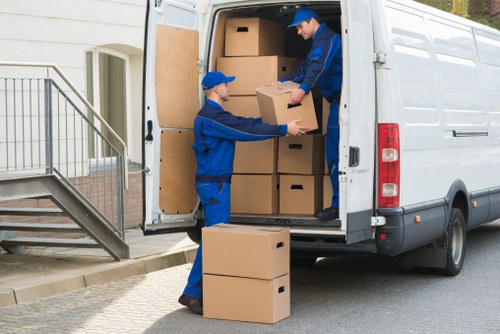 A strong safety culture begins with planning. Before any move takes place, the team should assess the size and nature of the job, identify possible risks, and decide how to complete the work safely. This includes checking access routes, stairs, narrow corridors, parking arrangements, fragile items, and weather conditions. Careful preparation is especially important when handling bulky furniture, electrical items, or awkward loads that may require extra support.
All team members must be trained in safe lifting and carrying techniques. Loads should be assessed before being moved, and where needed, equipment such as dollies, straps, blankets, and protective covers should be used. Staff should never attempt to lift more than they can safely manage. If an item is too large, too heavy, or difficult to manoeuvre, the task should be completed by two or more people or with suitable moving equipment. Manual handling is one of the most common causes of injury in the removals sector, so good habits are essential.
Vehicle safety is equally important. Lorries, vans, and other transport used for removals services must be kept clean, roadworthy, and loaded in a stable manner. Items should be secured to prevent shifting during transit, which could lead to damage or unsafe movement. Drivers must follow legal road rules, take regular breaks when required, and ensure that vehicles are not overloaded. Any issue with brakes, tyres, lights, or securing equipment must be reported and dealt with before the vehicle is used again.
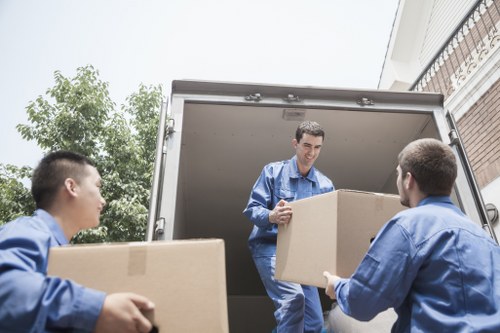 To protect property, staff should use floor coverings, corner protectors, door guards, and wrapping materials where necessary. Care must be taken when moving through homes, offices, and shared spaces to avoid scuffs, scratches, and breakages. The team should respect the customer’s space and leave areas as tidy as possible. Where delicate or high-value items are involved, extra precautions should be taken, including specialist packing and clear labelling. Attention to detail is a major part of safe removals work.
Fire safety must also be considered. Vehicles should not be loaded with hazardous materials that are prohibited or unsafe for transport. Flammable liquids, gas cylinders, and other dangerous substances must be identified in advance and handled according to relevant requirements. On site, exit routes should remain clear at all times, and staff must know what to do in the event of an emergency. If a fire alarm sounds, all work should stop immediately and the area should be evacuated in an orderly manner.
 Personal protective equipment, or PPE, should be provided and used where appropriate. This may include gloves, safety footwear, high-visibility clothing, and back support where it is part of the risk control plan. PPE does not replace safe systems of work, but it offers an important additional layer of protection. Managers should make sure equipment is suitable, maintained, and worn correctly. Any damaged or ineffective PPE should be replaced without delay.
Customers also play a role in maintaining safe working conditions. They should be encouraged to remove obstacles from walkways, keep children and pets away from active loading areas, and inform the team about any known hazards in advance. If a customer’s property has loose flooring, poor lighting, restricted access, or structural concerns, these should be noted before the move begins. Open communication helps the team work efficiently while keeping everyone safer.
Another key element of this policy is incident reporting. Any accident, injury, near miss, or damage event must be recorded and reviewed as soon as possible. This allows the business to identify patterns, improve procedures, and prevent similar issues in the future. Reports should be factual, complete, and submitted promptly. Staff should always feel able to report concerns without fear of criticism, because a proactive reporting culture supports continuous improvement.
Training and supervision are essential to the success of this policy. New staff should receive induction training covering lifting techniques, vehicle safety, equipment use, customer interaction, and emergency procedures. Refresher training should be provided regularly to reinforce good practice and reflect any changes in operations. Supervisors must monitor performance and step in where unsafe behaviour is observed. A removals company in Kingston Upon Thames should aim for consistent standards across every job, regardless of size or urgency.
 This policy should be reviewed regularly to ensure it remains effective, practical, and aligned with current operational needs. Feedback from risk assessments, incident reports, and workplace observations should be used to update procedures when necessary. The overall aim is simple: to protect people, safeguard property, and deliver a professional service with care and responsibility. By embedding these principles into daily work, Kingston Upon Thames removals teams can operate safely, confidently, and efficiently.